Industrial Hemp.
The plant that will change everything.
One crop. Over 50,000 uses. A solution to humanity's greatest challenges.
The technology to unlock it now exists. The regulations are in place. What's needed is the ignition - the moment when growers, markets, investors, and governments move together. TCI is here to make that happen.
This isn't just a business opportunity.
It's a responsibility.
"I consider industrial hemp to be the most amazing plant available to humanity. It can feed us, clothe us, house us, heal us, fuel us, and save our planet - all at the same time."
- Charles Kovess LL.B. (Hons), LL.M., CEO, Textile & Composite Industries Pty Ltd
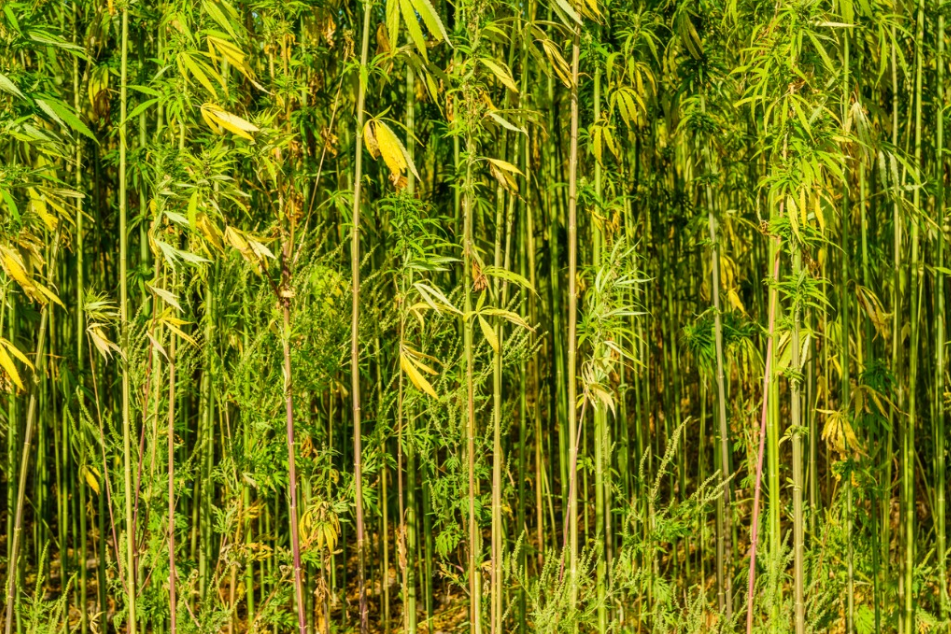
Hemp is quite possibly humanity's oldest cultivated crop. It built civilisations, powered naval empires, clothed generations - and then it was taken from us, not because it stopped being useful, but because powerful industrial interests lobbied against it in the 1930s. The result was 80 years of lost progress on one of the most remarkable plants on Earth.
That era is over. Governments around the world - including Australia, the USA, the EU, Canada and many more - have legalised industrial hemp. The regulations are sensible. The science is solid. The markets are forming. What has been missing is the processing technology that makes large-scale commercial hemp viable. TCI has built it.
Why hasn't hemp taken
over the world already?
Hemp is extraordinary. But for most of history, turning its stalks into usable fibre required a process called retting - and retting was an absolute nightmare for commercial-scale production.
The Old Problem: Retting
Retting means deliberately rotting the hemp stalks - either in water or in a field - so that the fibre separates from the woody core (called the hurd). It's been used for thousands of years. It's also impossibly slow and expensive at scale.
- Takes weeks - often months
- European mill systems: up to a year to process
- Static decortication mills cost €10-20 million
- Retting damages and weakens the fibre
- The field can't be used for anything else during retting
- Weather-dependent and unpredictable
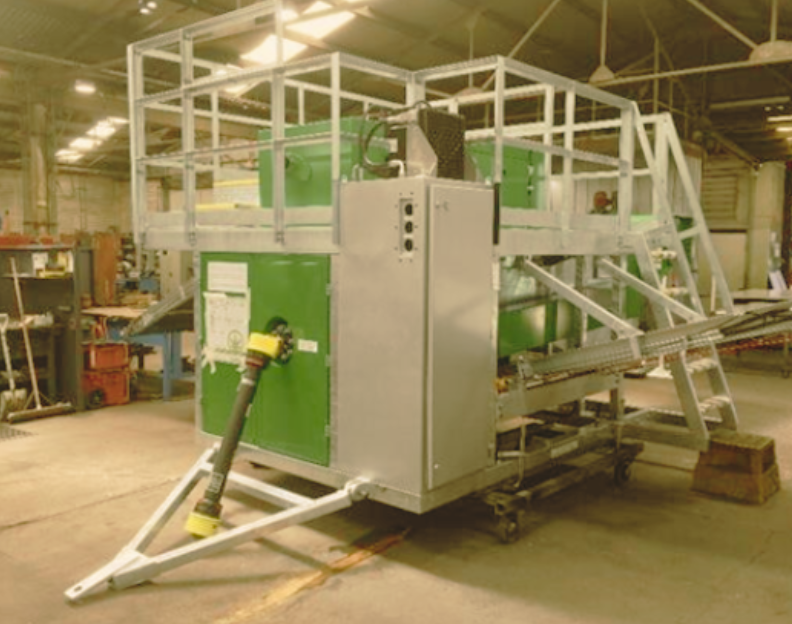
The TCI Solution: The D8 Decorticator
Adrian Clarke, founder of TCI, began working on a better solution in 1994. After eight versions of development and refinement, the D8 Decorticator eliminates retting entirely.
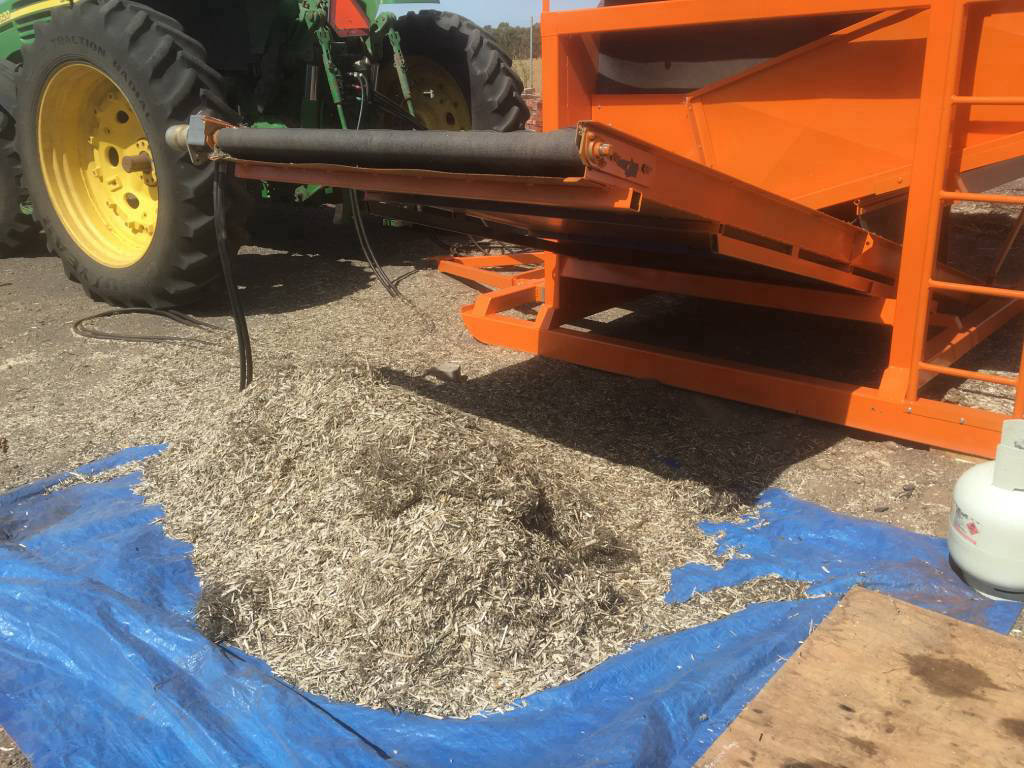
- Processes 1-5 tonnes of hemp stalk per hour
- Works on both fresh green and dry hemp - no waiting
- Zero retting - harvest, decorticate, and use the same day
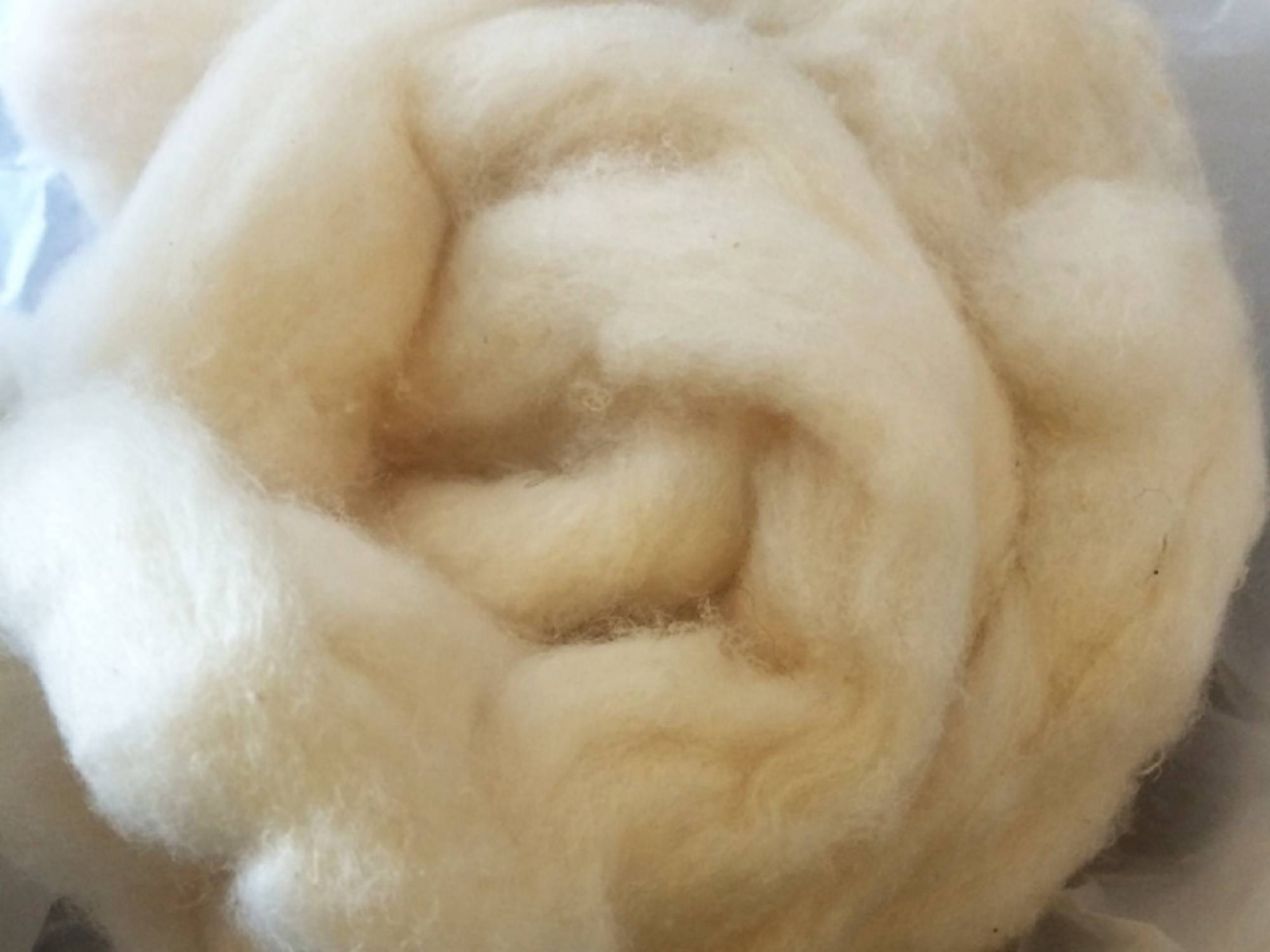
- Produces undamaged, high-quality fibre every time
- Portable - comes to the farm, not the other way around
- A fraction of the cost of traditional mills
The chicken-and-egg problem
at the heart of the hemp industry.
Processing is solved. The regulations are in place. The opportunity is enormous. But a familiar problem remains - and TCI's commercial mission is to break it open.
Growers won't grow
Farmers need a guaranteed market for their hemp before they'll commit land, seed, and labour to growing it at scale.
The Deadlock
No supply without demand. No demand without supply. The industry stays small until someone breaks the cycle.
Markets won't buy
Buyers need guaranteed supply before committing to hemp-based products at commercial volumes.
"TCI's role is to be the catalyst - to ignite both ends of the chain simultaneously. We bring the processing technology to the farm. We secure the supply contracts. We build the markets. Once a long-term supply contract is in place for hemp fibre or hurd, the entire upstream supply chain can be activated and financed - just as an iron ore mine that contracts to supply Chinese steel mills finds that financiers will lend everything that's needed."
- Charles Kovess, CEO, Textile & Composite Industries Pty LtdThe D8 Decorticator.
Built in Geelong. Changing the world.
Adrian Clarke spent 21 years developing and refining this machine. TCI manufactures it in Victoria, Australia, and supplies it globally. It is the key that unlocks the entire hemp supply chain.
From field to fibre - in a morning.
Before the D8, processing hemp into usable material was a month-long (or year-long) bottleneck. Now, with the D8 on or near the farm, a grower can harvest hemp, separate the fibre from the hurd, and have both products ready for processing - all in a single working day.
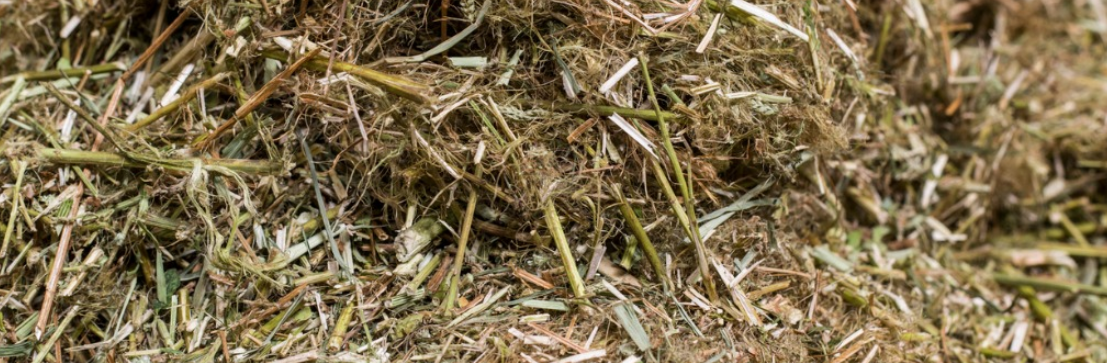
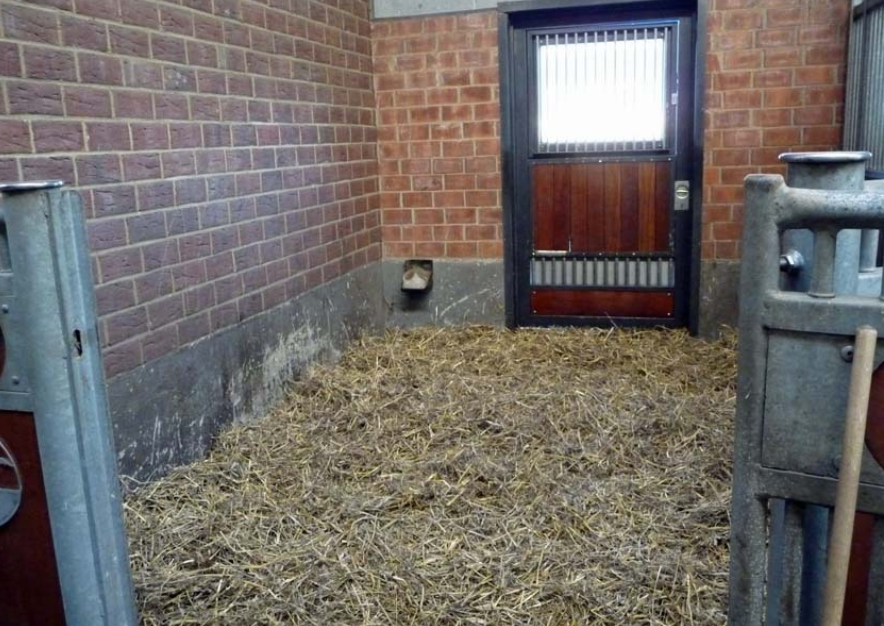
The hurd (the woody inner core of the stalk) goes straight to hempcrete, animal bedding, mulch, or insulation manufacturers. The fibre goes to textile mills or composite producers. The seed goes to food processors. Nothing is wasted. Everything has value.
- Hemp stalks are harvested (ideally with a reaper/binder) and brought to the D8
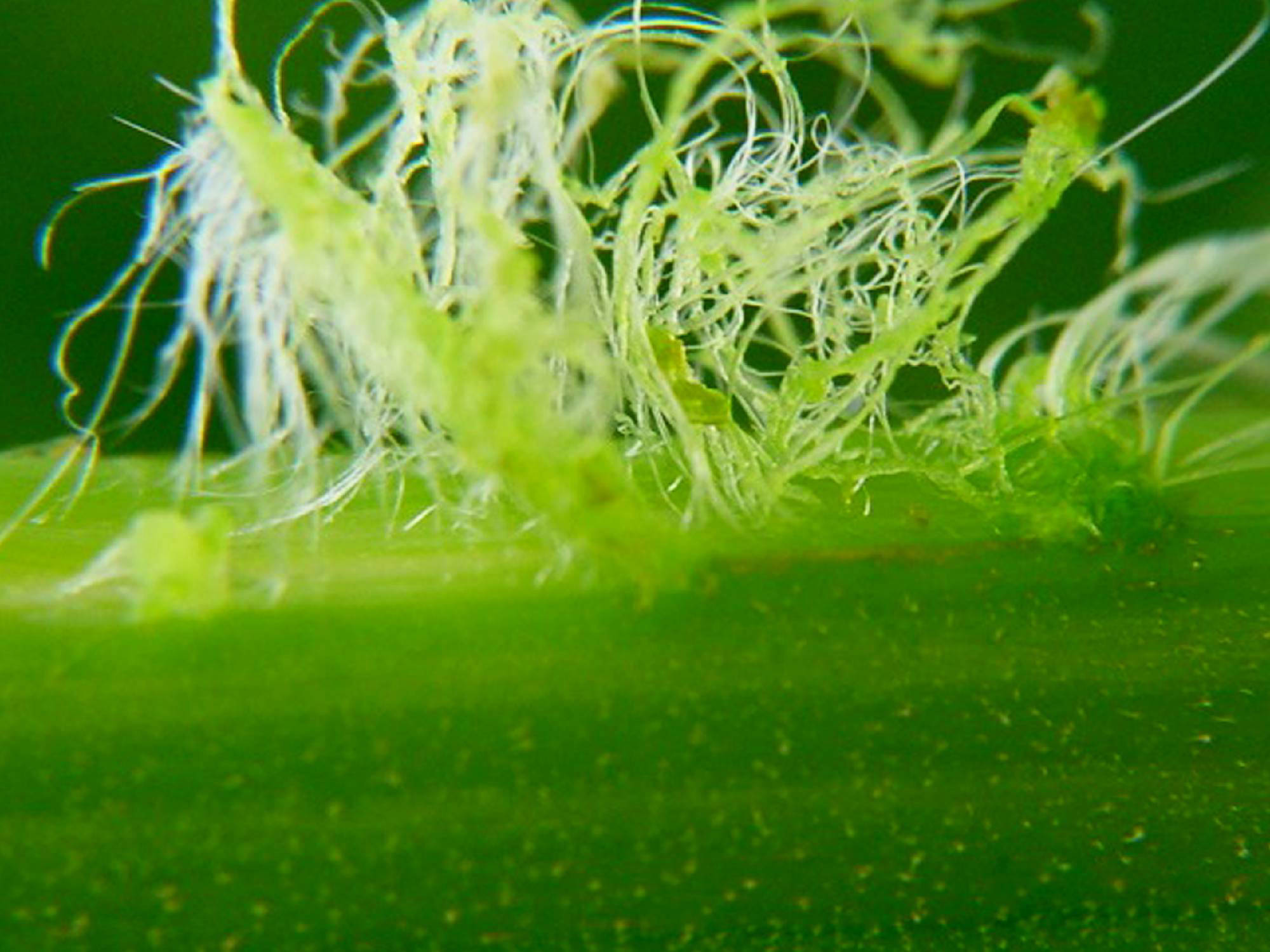
- The D8 mechanically separates the fibre (the outer skin) from the hurd (the woody core) - without retting, without chemicals, without damage
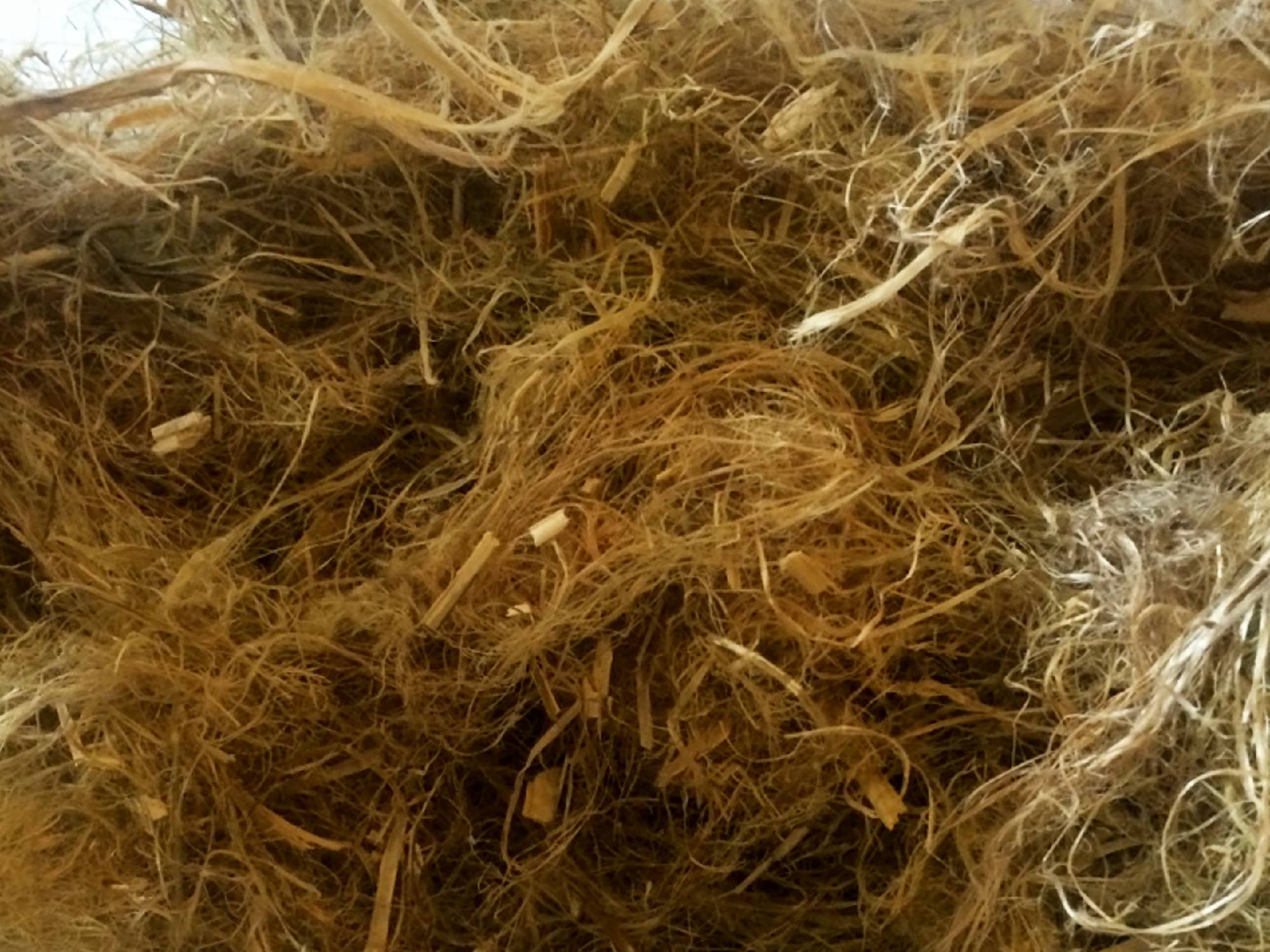
- High-quality undamaged fibre is ready for textiles, composites, or rope
- Hurd is immediately usable for building materials, bedding, mulch, or insulation
- The field is free for its next crop - no downtime, no retting period
HemP: HPx4
A mantra created by Charles Kovess - the four things hemp does at once.
Healthy Products
Hemp creates products that are genuinely good for people and the planet - natural, biodegradable, antimicrobial, and built to last. No harmful synthetics, no toxic by-products.
Healthy People
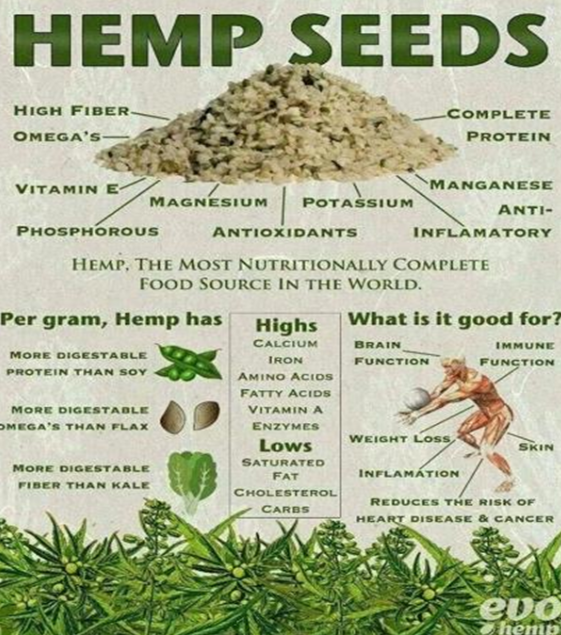
Hemp seeds are a superfood rich in protein, omega-3 and omega-6 fatty acids. Hemp clothing is antibacterial - you can wear it for weeks without odour. Hemp homes are healthier spaces.
Healthy Planet
Hemp sequesters carbon faster than forests, cleanses contaminated soils, replaces plastic, reduces deforestation, and needs a fraction of the water that cotton requires. It heals what it touches.
Healthy Profits
With net profits of up to $10,200 per hectare per crop, a $18.6 billion global market forming, and investment opportunities across the entire supply chain, hemp is as commercially compelling as it is ecologically vital.
Hemp doesn't just solve one problem.
It solves all of them.
From climate change to housing shortages, plastic pollution to food insecurity - industrial hemp has a credible, practical answer to each one. Here are twelve.
Carbon Sequestration
Hemp captures 10-15 tonnes of CO₂ per hectare, per crop - outperforming trees and every other commercial crop. Scale to 1 million hectares and you're sequestering 10-15 million tonnes annually.
Replace Fossil Fuels
Hemp seeds and stalks produce biofuels - biodiesel and ethanol - that can power farm machinery and existing electricity generators without massive new infrastructure investment.
End Deforestation
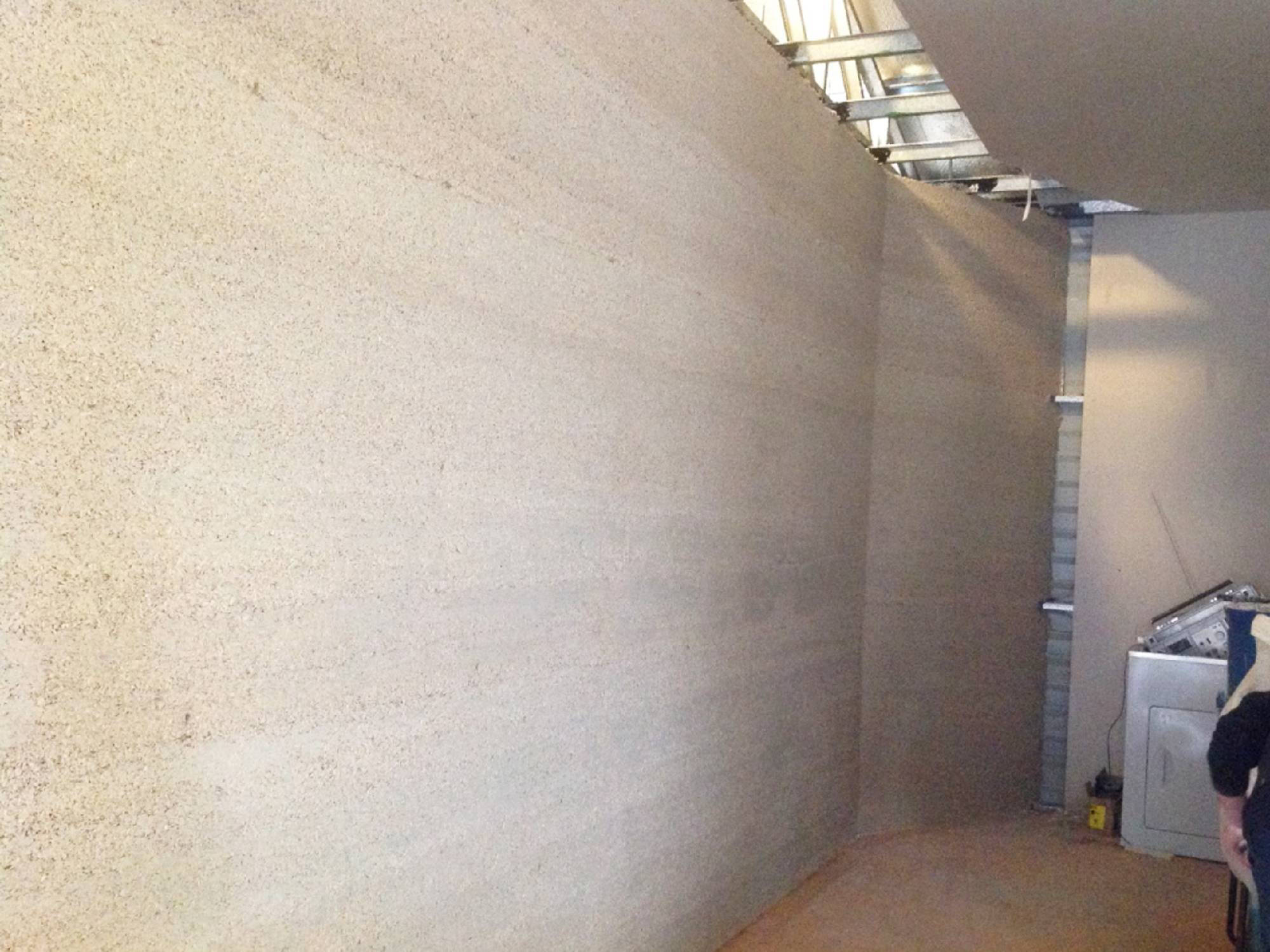
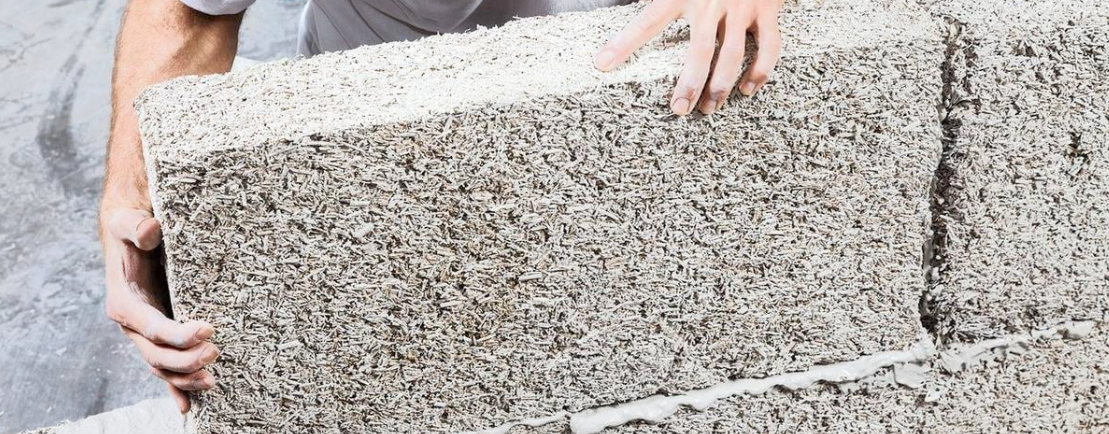
Hempcrete (hemp hurd plus lime) is fire-resistant, carbon-negative, and replaces timber and concrete. One hectare of hemp produces enough hurd to build a 300 square metre home.
Beat Plastic Pollution
Hemp-based bioplastics are fully biodegradable and can replace petroleum plastics in packaging, automotive parts, electronics, and almost everything we currently reach for in plastic.
Regenerate Soil
Hemp's deep root system improves soil structure, prevents erosion, and removes heavy metals through phytoremediation. Fields that grow hemp are in better shape than before planting.
Food Security
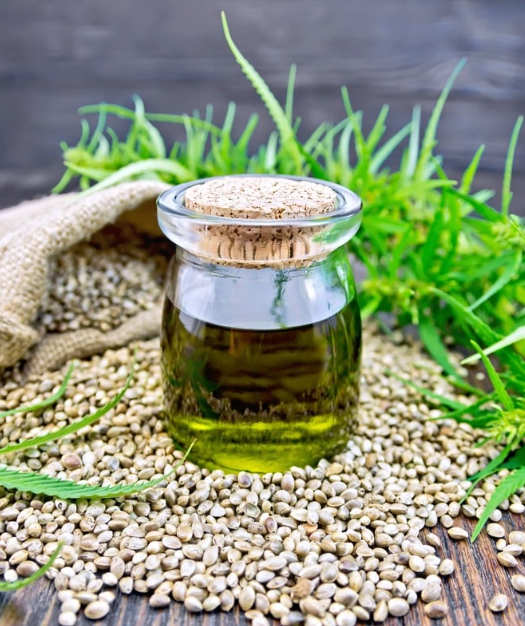
Hemp seeds are rich in protein, omega-3 fatty acids, and essential nutrients. They can be grown in challenging climates where other food crops struggle, yielding 1-2 tonnes per hectare.
Rural Economic Growth
Hemp creates 5,000-10,000 jobs for every 10,000 hectares planted. It brings manufacturing, R&D, and skilled employment back to farming regions that have lost them.
Sustainable Textiles
Cotton uses 2.6% of global fresh water and enormous quantities of pesticides. Hemp uses 50% less water and minimal pesticides, producing stronger fabric that lasts longer and doesn't smell.
Reduce Agricultural Emissions
Hemp's low-input cultivation produces significantly fewer emissions than livestock farming or intensive crops. Growing hemp as part of crop rotation reduces overall farm emissions substantially.
Affordable Housing
Hempcrete reduces construction costs by 10-20% compared to concrete, delivers superior insulation and fire resistance, and the building actually absorbs carbon over its entire lifetime.
Zero Waste Economy
Every single part of the hemp plant is usable - seeds for food, fibre for textiles, hurd for building, roots for soil improvement. Hemp is the ultimate circular economy crop. Nothing is wasted.
Energy-Efficient Buildings
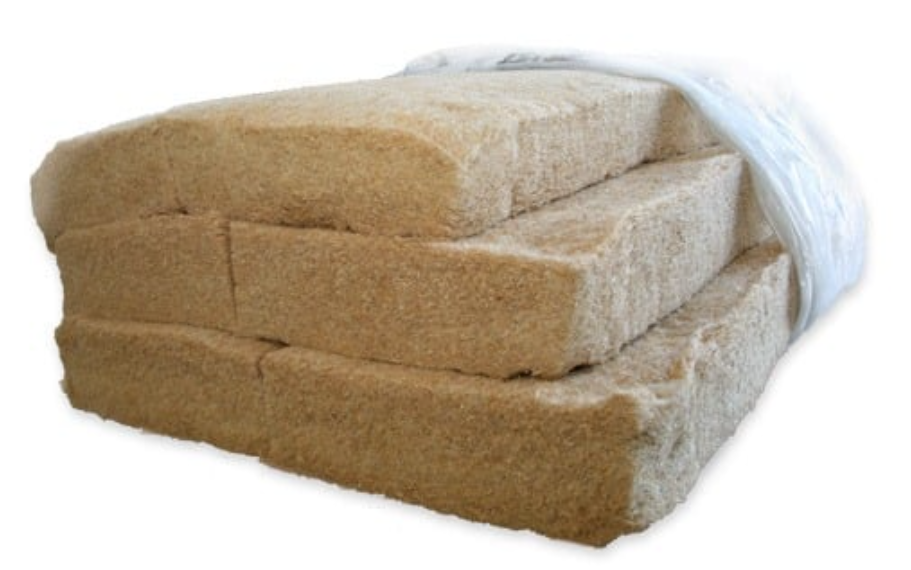
Hempcrete and hemp insulation reduce heating and cooling needs by 15-20%. With buildings responsible for 39% of global energy emissions, this is one of the most practical climate fixes we have.
One plant.
Endless possibilities.
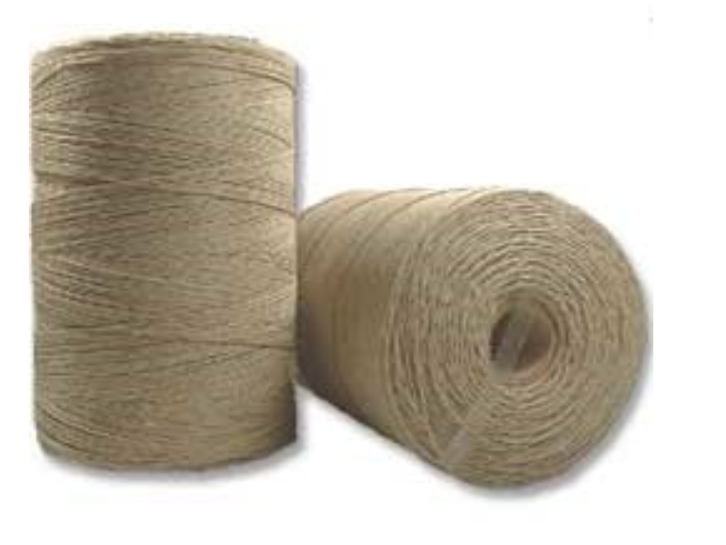
From the clothes you wear to the walls of your home. From the fuel in your engine to the food on your plate. From a bedding for your horse to a surfboard at the beach. Hemp does it all.


Up to $10,200 net profit.
Per hectare. Per crop.
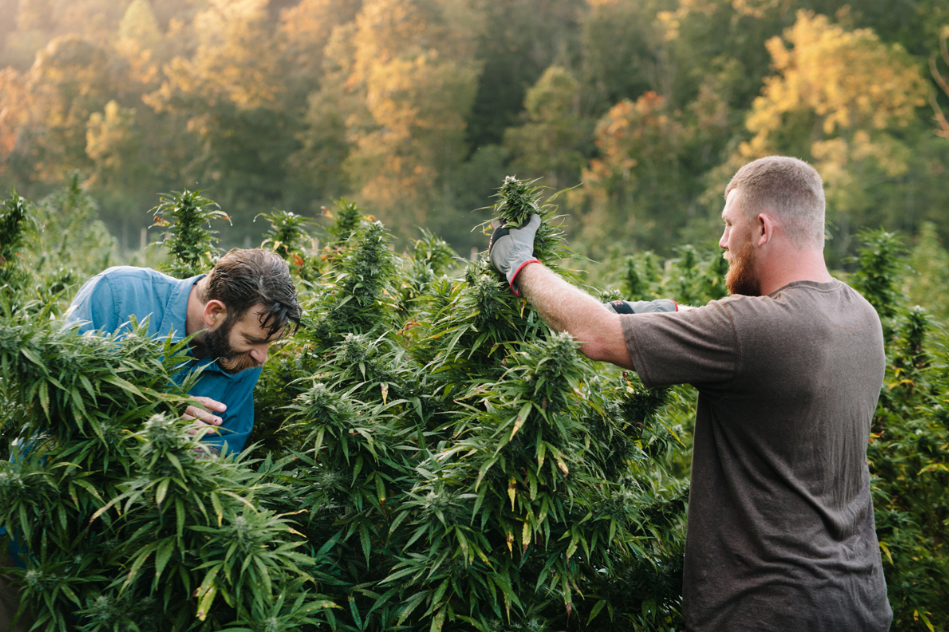
Imagine a crop that grows in 100 days, actively improves your soil, needs minimal pesticides, has no waste - and every part of it sells for good money. That's industrial hemp, processed with TCI's D8 Decorticator.
Each hectare produces 3 tonnes of fibre, 7 tonnes of hurd, and 1 tonne of seed. TCI is actively building the markets to buy all three. When growers use the D8 and connect to TCI's market network, the economics are compelling.
| Revenue | Per Hectare |
|---|---|
| Fibre (3 tonnes @ $2,500/tonne) | $7,500 |
| Hurd (7 tonnes @ $1,000/tonne) | $7,000 |
| Seed (1 tonne @ $3,000/tonne) | $3,000 |
| Less: production, harvest & decorticating costs | ~$7,300 |
| Estimated Net Profit | Up to $10,200 |
"Hemp is NOT for the bottom end of the market. Hemp is a Tiffany's market, not a Wal-Mart market. TCI entered this industry in 1994 with one express aim - helping farmers generate excellent profits sustainably."- Charles Kovess, CEO, Textile & Composite Industries Pty Ltd
The investment opportunity
of a generation.
The global hemp market is heading for USD $18.6 billion by 2027. The technology now exists. The regulations are in place. New supply chains are forming right now. TCI is at the centre of it all - and the ways to be part of it are many.
Direct equity in TCI Hemp Processing Ltd
A 20% shareholding for AU$20 million, with a planned stock exchange listing within 24 months. The ground floor of a global operation built on 30 years of development.
Hemp product business subsidiaries
Invest in TCI subsidiaries being set up to commercialise specific hemp product categories - textiles, composites, hempcrete, food products, and more.
Own and operate D8 Decorticators
Purchase one or more D8 machines and lease them out for contract decorticating. TCI can manage the entire operation on your behalf, with finance available for approved buyers.
Share farming operations
Invest in hemp growing operations producing stalks for processing by the D8, tied to specific contracts with identified buyers. Controllable, direct, and profitable.
Regional contract decorticating
Set up country or region-specific decorticating operations - France, Spain, England, Thailand, Canada, South America and more are all ready opportunities right now.
Hempcrete manufacturing
Set up a hempcrete business using hemp hurd - supplying blocks, bricks, and panels to builders and governments. Demand is growing fast as building codes evolve.
Think of it like the mining model.
Once a long-term supply contract is in place for hemp fibre or hurd, the entire upstream supply chain can be activated and financed - exactly like an iron ore mine that contracts to supply steel mills finds that lenders will fund everything that's needed. TCI's job is to secure those anchor contracts and then unlock the chain. That's the moment investors want to be positioned for.
Hemp has been with us
since the beginning.
Hemp is quite possibly humanity's oldest cultivated crop. It built civilisations - and was taken from us not because it stopped working, but because powerful industries wanted it gone. Now it's coming back.
Three decades building
this future.
Textile & Composite Industries Pty Ltd is the company behind the D8 Decorticator - the machine that makes industrial hemp commercially viable at scale. We design and manufacture it in Geelong, Victoria, and supply it to growers and processors globally.
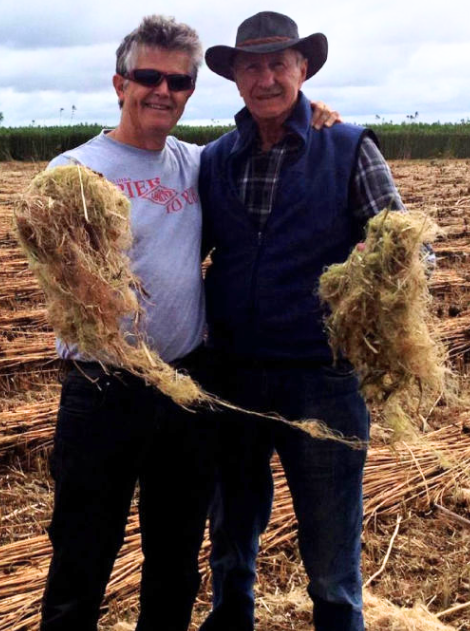
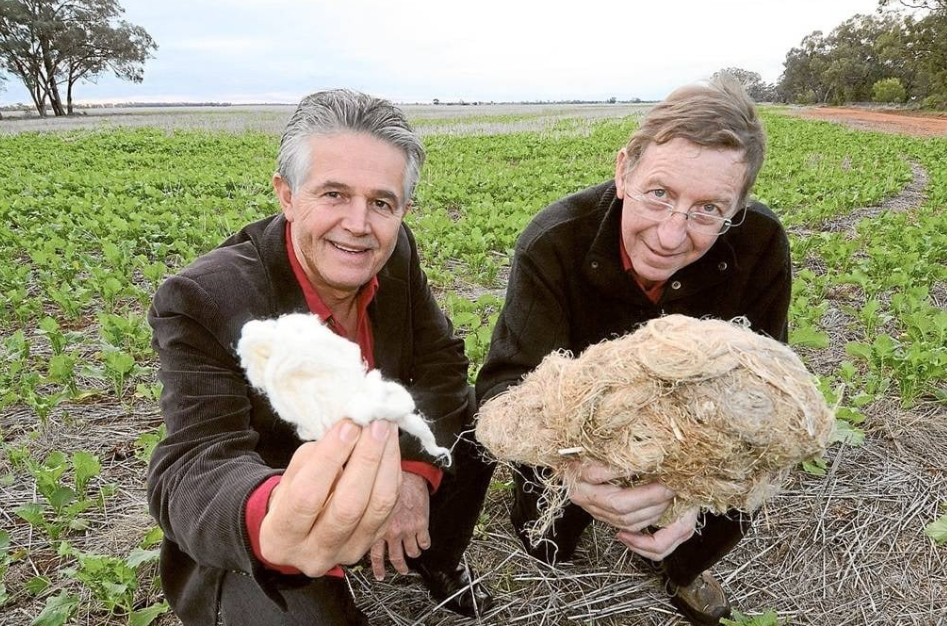
The company was founded by Adrian Clarke, who began developing the decorticator in 1994 with one purpose - to help farmers make excellent profits from this extraordinary plant. After Adrian's passing in 2015, Charles Kovess took on the role of CEO and has continued driving TCI's global mission.
Charles is a passionate advocate for hemp as the answer to many of humanity's greatest challenges. He has given evidence to government inquiries, spoken at international conferences, built global industry relationships, and has spent more than a decade working to ignite the hemp industry at every level.
If you're a farmer, an investor, a country looking to build a hemp industry, a manufacturer seeking sustainable materials, or simply someone who wants to understand the opportunity - we want to talk with you.
The time for hemp
is right now.
The climate is changing. The regulations are in place. The technology exists. The supply chains are forming. The only question is whether you're ready to be part of the most important agricultural revolution of our lifetime.
Get in Touch with TCI